
Things to do in Foligno: museums, sights and events
Discover Foligno on foot: lively squares, frescoed palazzi, small Renaissance treasures and contemporary art share a historic centre best explored at your own pace. Stay at Camere Croce Bianca, Via Niccolò Alunno 31, and spend the morning in museums, take a break in town and continue among workshops, churches and local life.
For a first visit to Foligno, start with Palazzo Trinci, the central squares, historic churches and contemporary art spaces. This guide suggests things to see on foot and places to explore beyond the centre. For further outings in Umbria, see our day trips from Foligno.
Distances and times: the ranges shown are approximate estimates from the palazzo, not measurements of individual routes. Walking is usually the best way around the historic centre. Use the navigation links to check your exact route; restricted traffic zones, parking and accessibility should be checked before setting off. Official listings provide opening times, tickets and special openings.
Foligno’s museums: from the Middle Ages to contemporary art
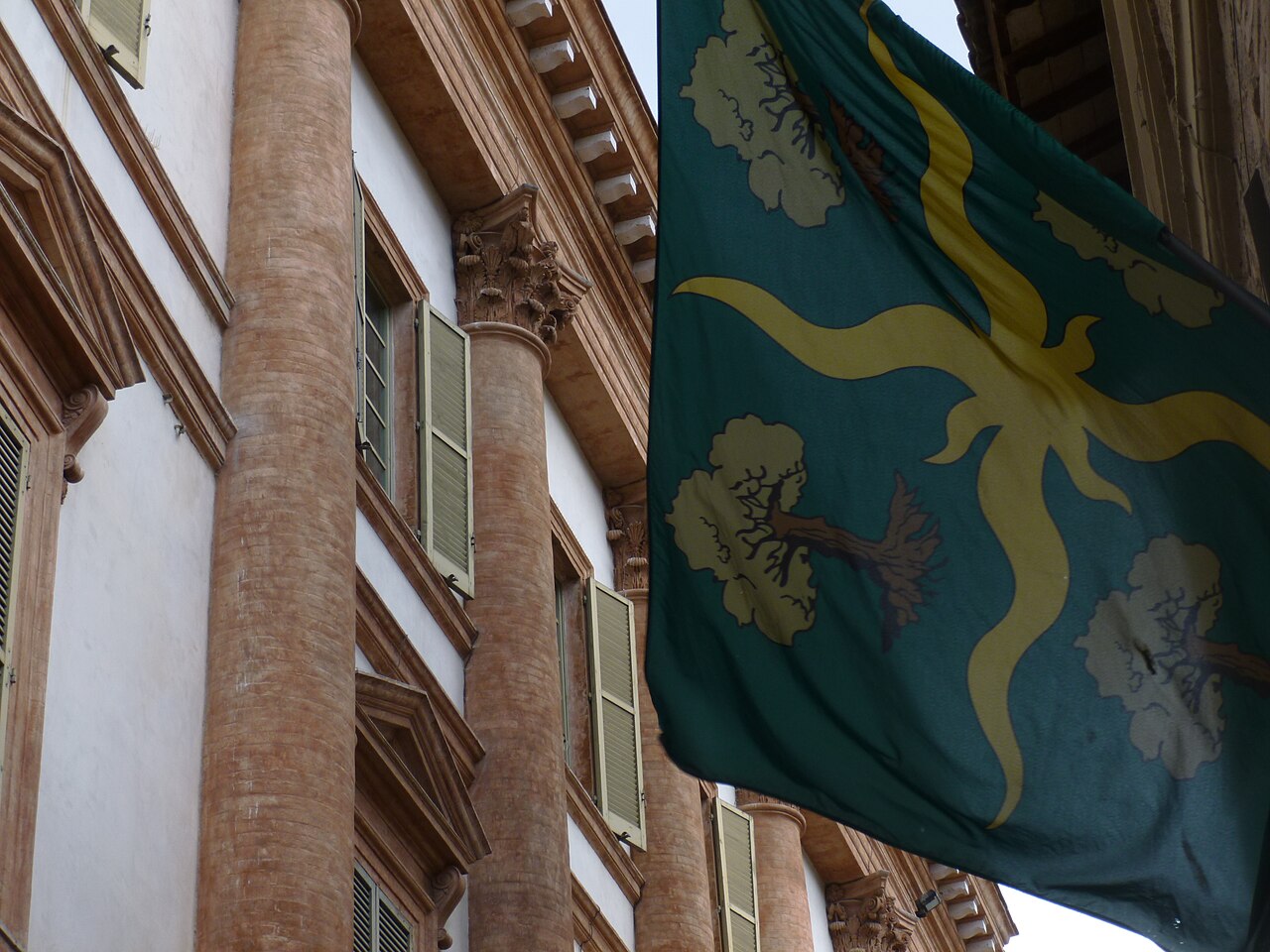
Palazzo Trinci and the City Museum
From Palazzo Croce Bianca: approximately 500–800 m · On foot: 8–12 min
Begin here to discover Foligno’s artistic history. The late Gothic residence preserves rooms with fifteenth-century frescoes and reflects the prestige of the Trinci family. Architecture and painting reveal the town through different periods and artistic languages.
The complex includes the Art Gallery, Archaeological Museum, Museum of the Municipal Institution and Multimedia Museum of Tournaments, Jousts and Games. Temporary exhibitions complement the collections: allow at least an hour and a half for a relaxed visit.
Palazzo Orfini and the Printing Museum
From Palazzo Croce Bianca: approximately 500–800 m · On foot: 8–12 min
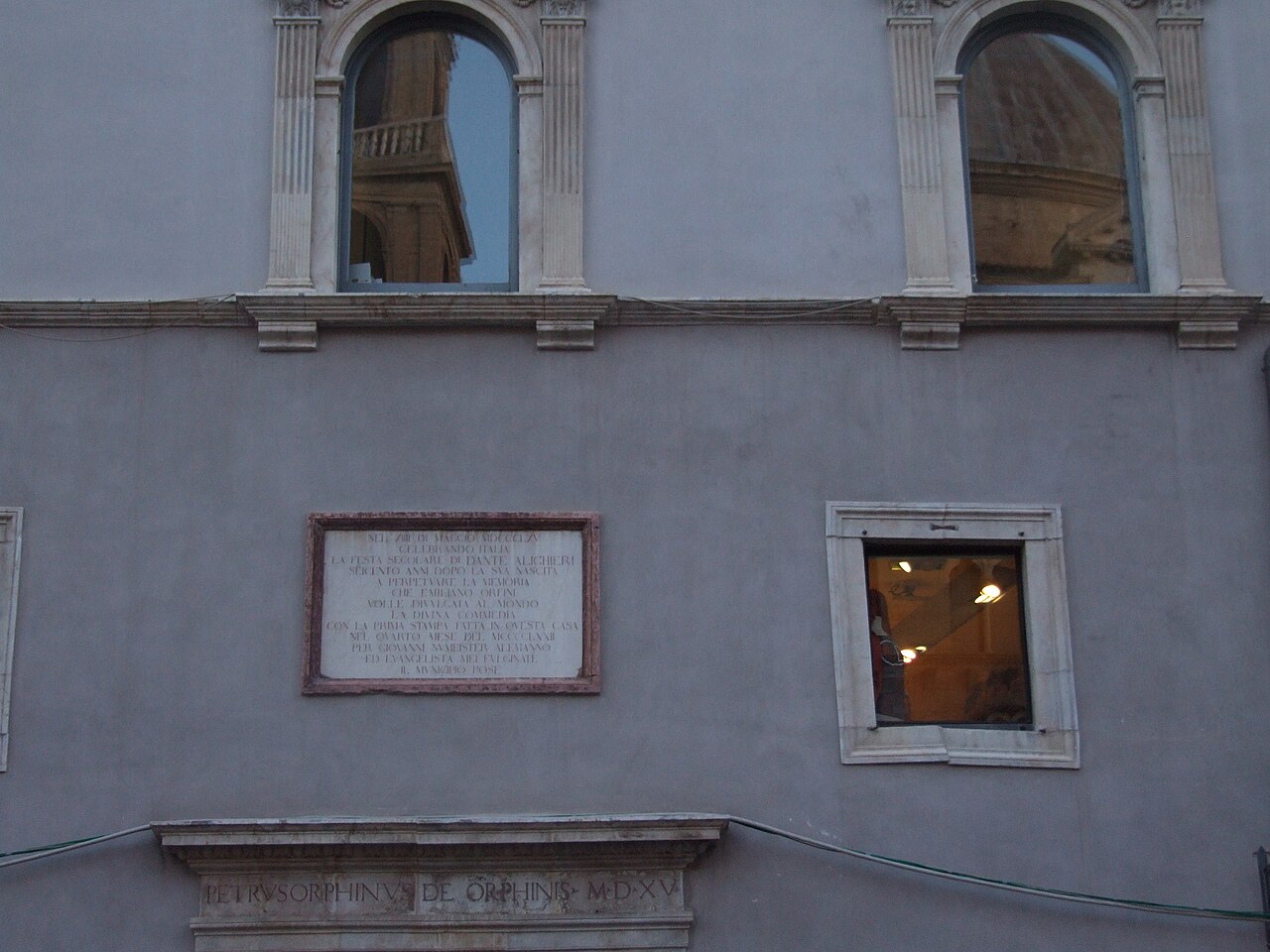
An essential stop for book lovers. The museum explores Foligno’s paper-making and publishing traditions: it was here, on 11 April 1472, that the Orfini-Neumeister press produced the first printed edition of Dante’s Divine Comedy.
The displays introduce printing presses, type, documents and the paper-making heritage of the Menotre valley. They also offer an insight into traditional lunar calendars and the Barbanera Almanac. The museum entrance is in Via Pertichetti.
CIAC – Italian Centre for Contemporary Art
From Palazzo Croce Bianca: approximately 300–600 m · On foot: 5–10 min
CIAC offers a different perspective from the historic collections. Its weathering-steel-clad building houses the permanent collection of the Fondazione Cassa di Risparmio di Foligno and temporary exhibitions. Check the programme before visiting.
It suits visitors interested in photography, visual experimentation and contemporary art. The museum’s combined ticket also includes the Calamita Cosmica venue: check current conditions and opening times.
Calamita Cosmica in the former Annunziata church
From Palazzo Croce Bianca: approximately 800 m–1,2 km · On foot: 12–18 min
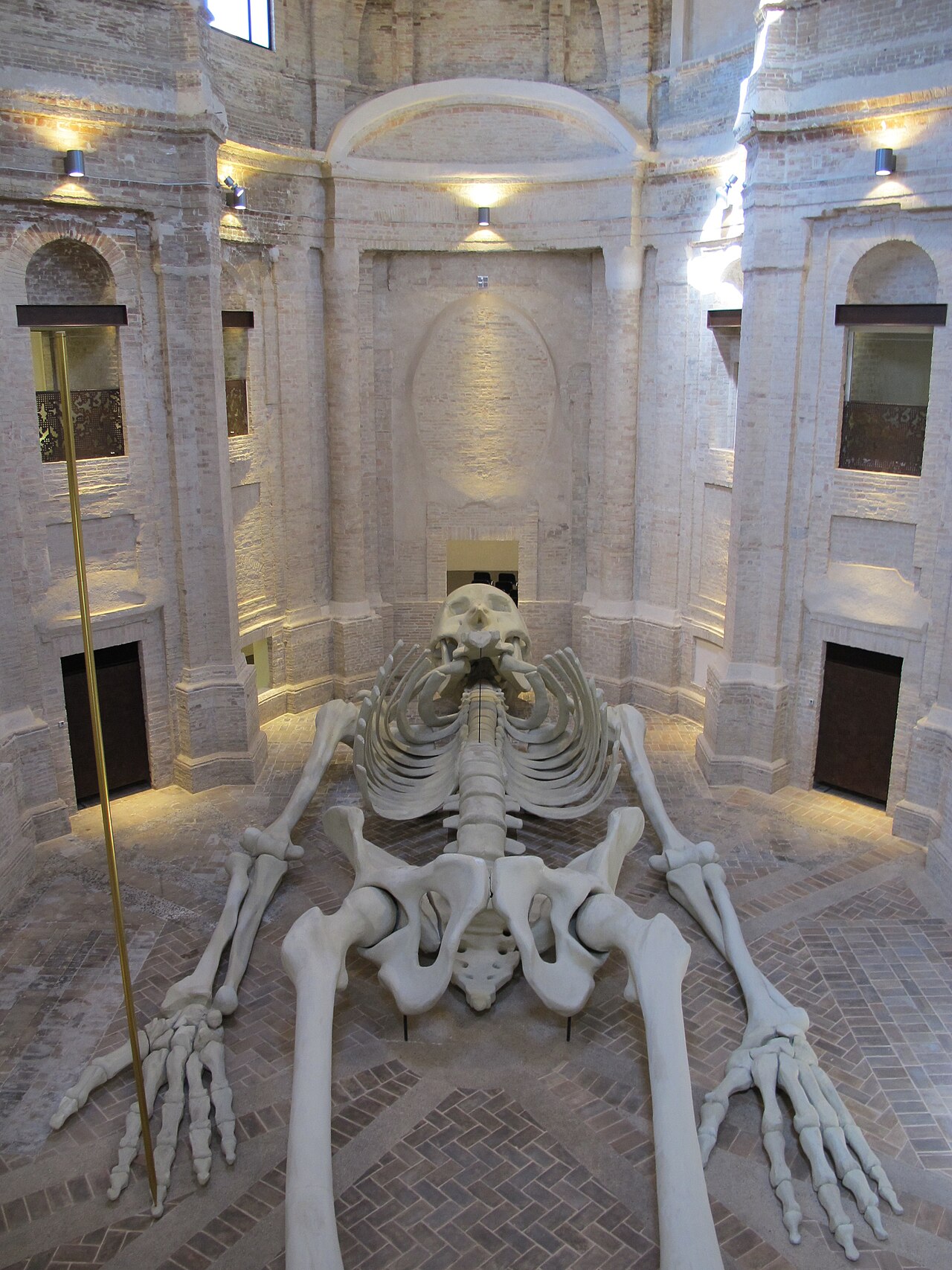
The monumental work by Gino De Dominicis is housed in the former church of Santissima Trinità in Annunziata, CIAC’s second venue, in Via Garibaldi. Its human-like skeleton, with a beak in place of a nose, transforms the space into a striking experience.
The visit brings sculpture and the former church’s architecture into dialogue. View the work from different angles and notice the relationship between scale, light and setting.
Palazzo Candiotti and the Quintana Museum
From Palazzo Croce Bianca: approximately 400–700 m · On foot: 6–11 min
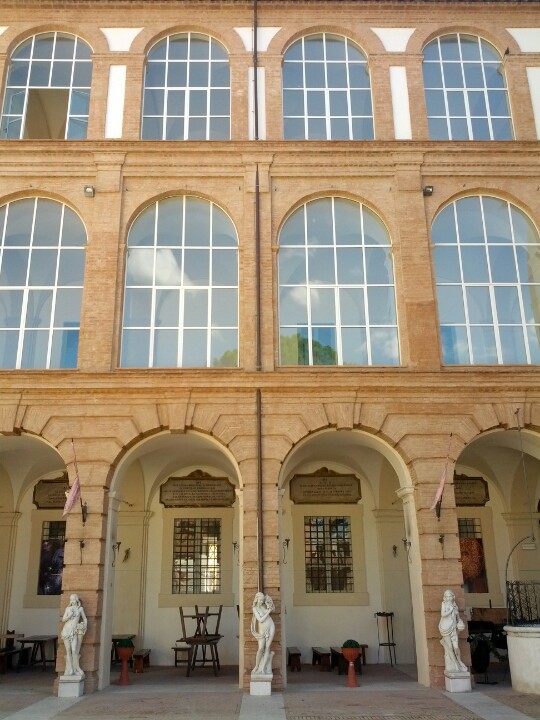
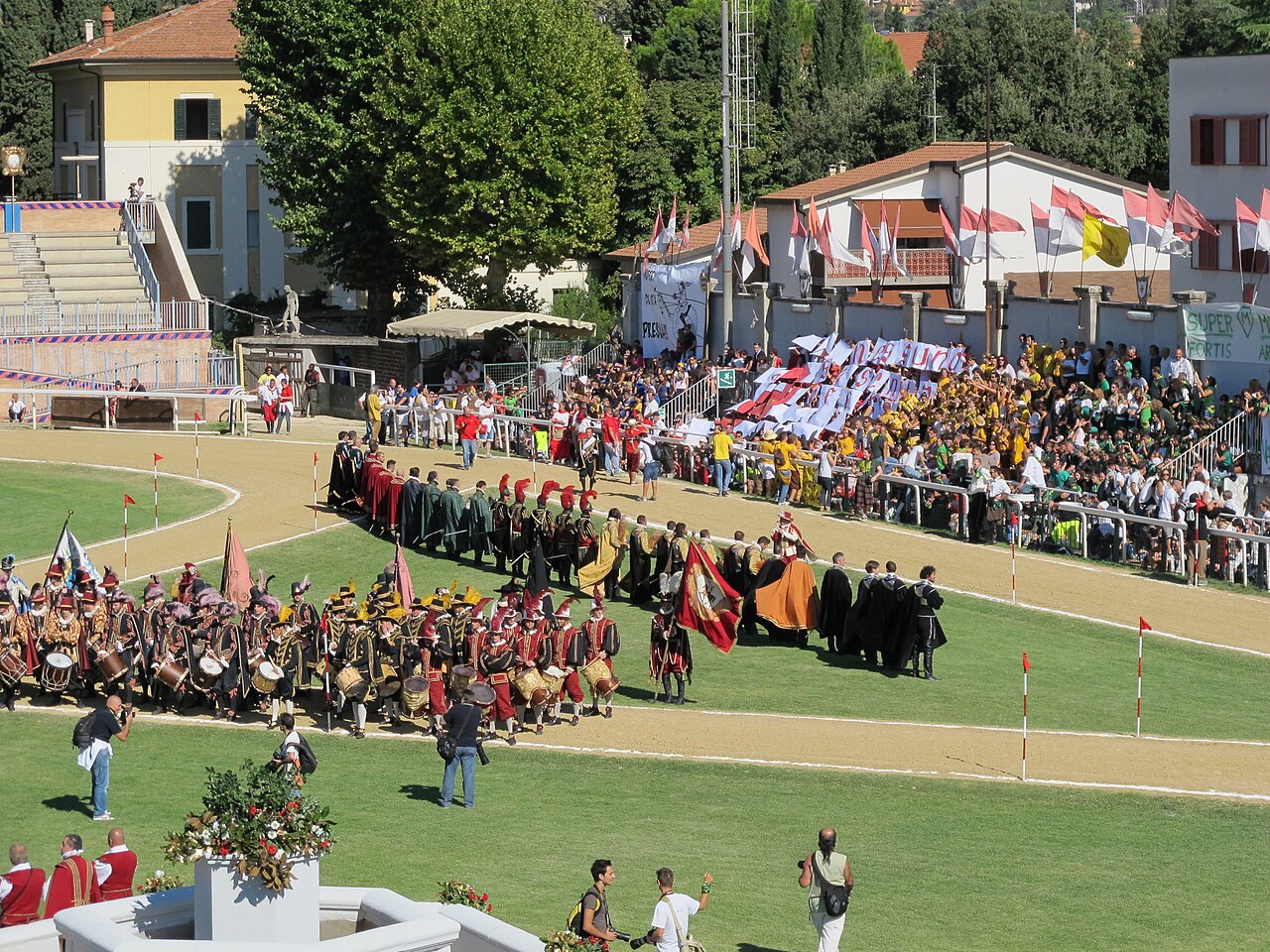
This eighteenth-century palazzo houses the headquarters of the Ente Giostra and a museum devoted to the event most closely associated with Foligno. Multimedia displays, holograms and immersive features introduce seventeenth-century atmospheres, characters and traditions.
It is worth visiting even outside the jousting season, helping you understand the role of districts, costumes and ceremonies in local life. It is separate from the tournaments and jousts museum at Palazzo Trinci.
Squares and palazzi: explore the historic centre on foot
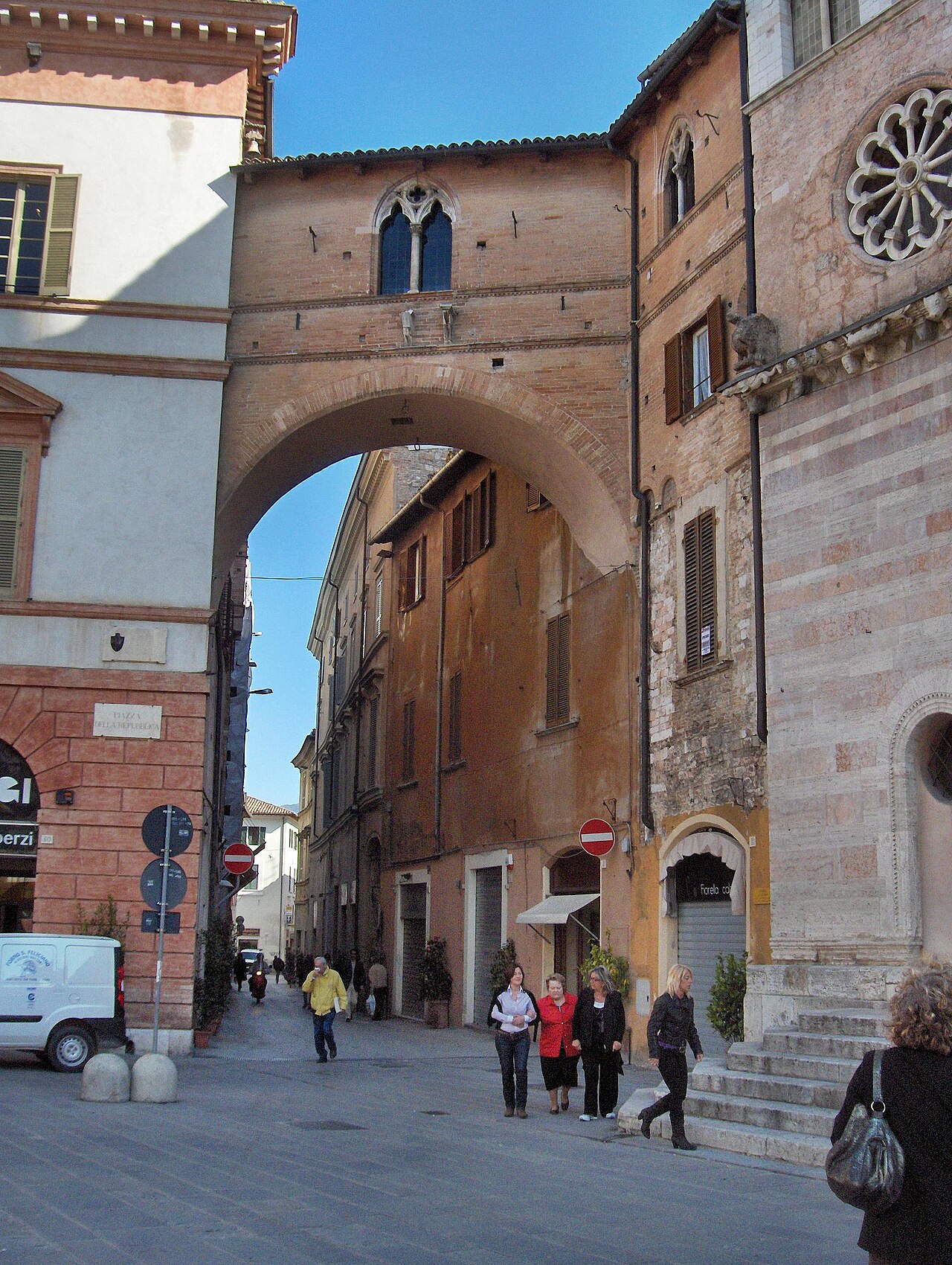
Piazza della Repubblica and Piazza del Duomo
About 500–800 metres from the palazzo, Foligno’s monumental heart brings together the Town Hall, Palazzo Trinci, Palazzo Orfini and Palazzo del Podestà. Their façades reveal different periods and purposes: civic government, noble residences, culture and religious life. It is an ideal place to get your bearings and pause before your visits.
Palazzo Deli and the central streets
Look out for Palazzo Deli among the town’s historic residences. Continue along Corso Cavour, Via Gramsci and the side streets: part of Foligno’s charm lies in its doorways, courtyards and workshops. View private palazzi from outside; interiors can be visited only when explicitly opened to the public or for special events.
Churches, oratories and artistic treasures
San Feliciano Cathedral
From Palazzo Croce Bianca: approximately 500–800 m · On foot: 8–12 min
Dedicated to Foligno’s patron saint, the Cathedral is a principal landmark of the square. Admire the medieval doorway and carved details, then check locally or with the diocese for access to the interior.
A visit reveals the town’s connection with St Felician, celebrated each year on 24 January. Religious services may temporarily restrict sightseeing.
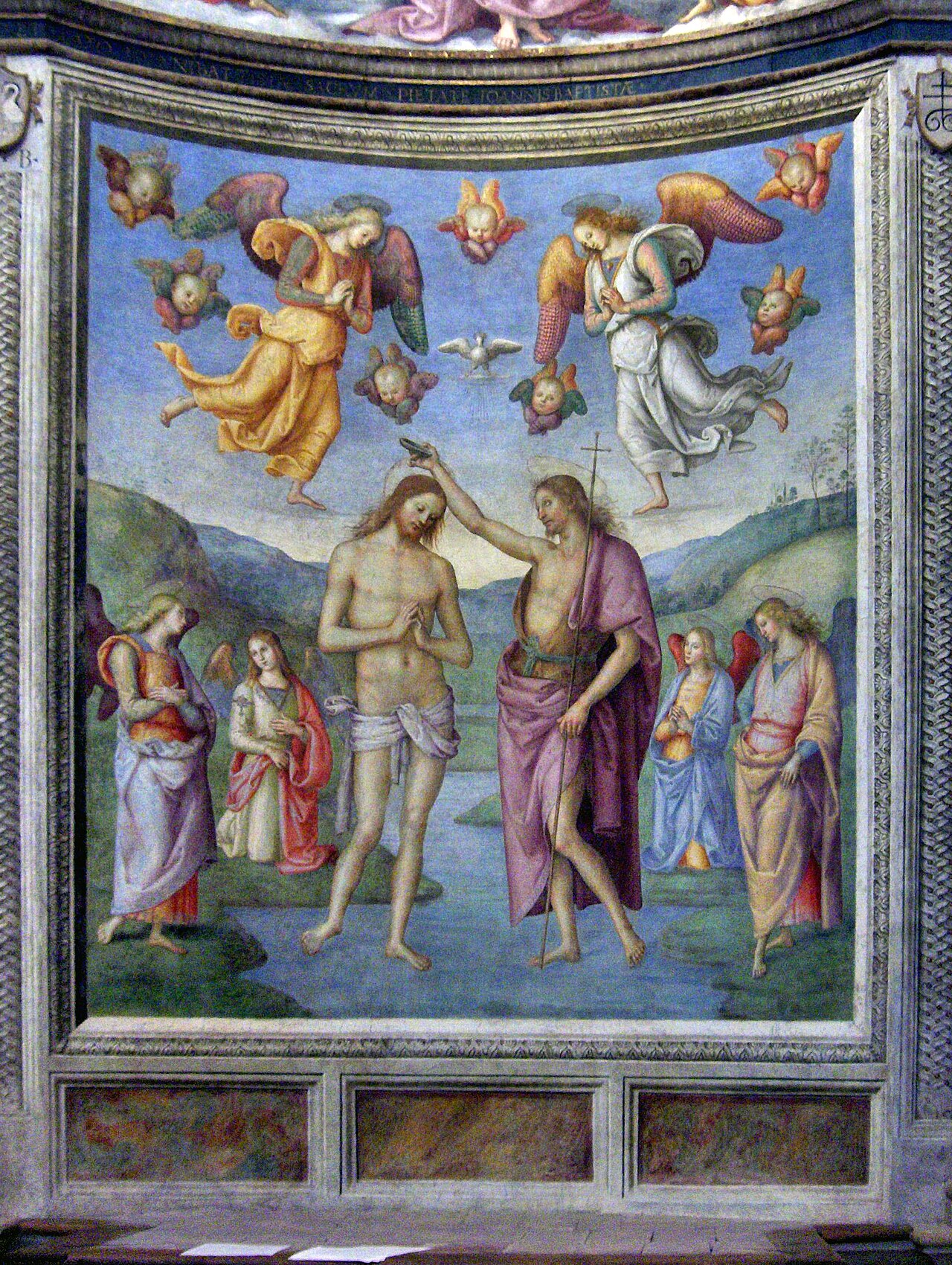
The Nunziatella Oratory and Perugino
From Palazzo Croce Bianca: approximately 400–700 m · On foot: 6–11 min
This small Renaissance space houses Perugino’s Baptism of Christ. Its intimate scale encourages you to look closely at the colours and balanced composition, away from the bustle of larger museum rooms.
Check opening times before setting out: visitor information and tickets are managed through the town’s museum circuit and Palazzo Trinci.
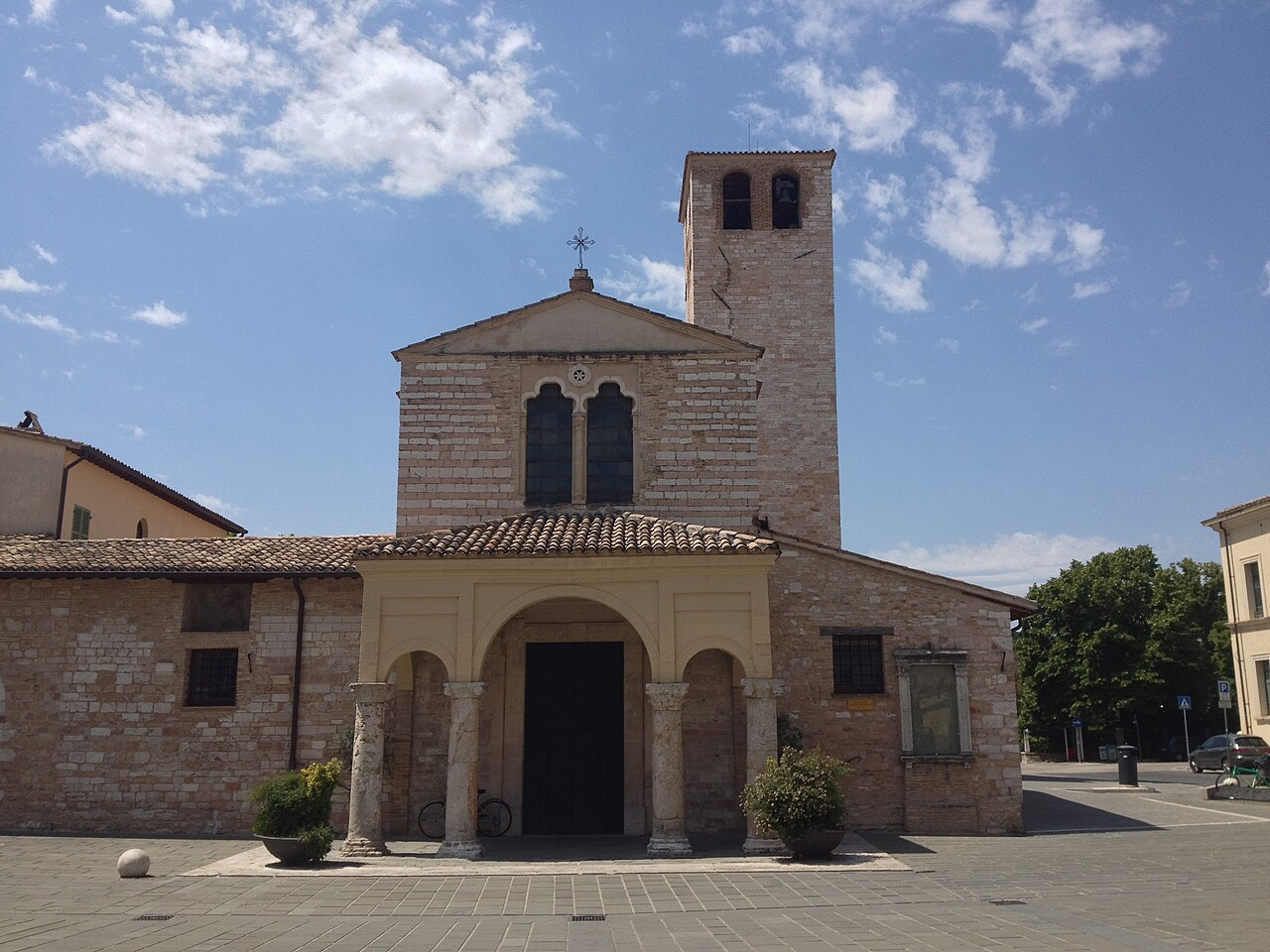
Santa Maria Infraportas and Piazza San Domenico
From Palazzo Croce Bianca: approximately 600–900 m · On foot: 9–14 min
Santa Maria Infraportas is one of the town’s oldest churches. The portico, Romanesque structure and votive frescoes create an intimate atmosphere, different from that of the main square.
The former church of San Domenico, now an auditorium, is nearby. Combine your walk with a concert or performance when one is scheduled.
San Francesco and the legacy of Angela of Foligno
San Francesco church is associated with the mystic Angela of Foligno, whose remains are preserved here. Combine it with nearby CIAC, respecting service times. The church of Santissimo Salvatore also merits a look for its medieval façade and history of alterations.
Parks, walks and nature around Foligno
Parco dei Canapè and a walk beside the Topino
For time outdoors, choose Parco dei Canapè or a walk beside the River Topino. Both offer an alternative to museums and a glimpse of everyday town life. Choose your section according to the time available and route conditions.
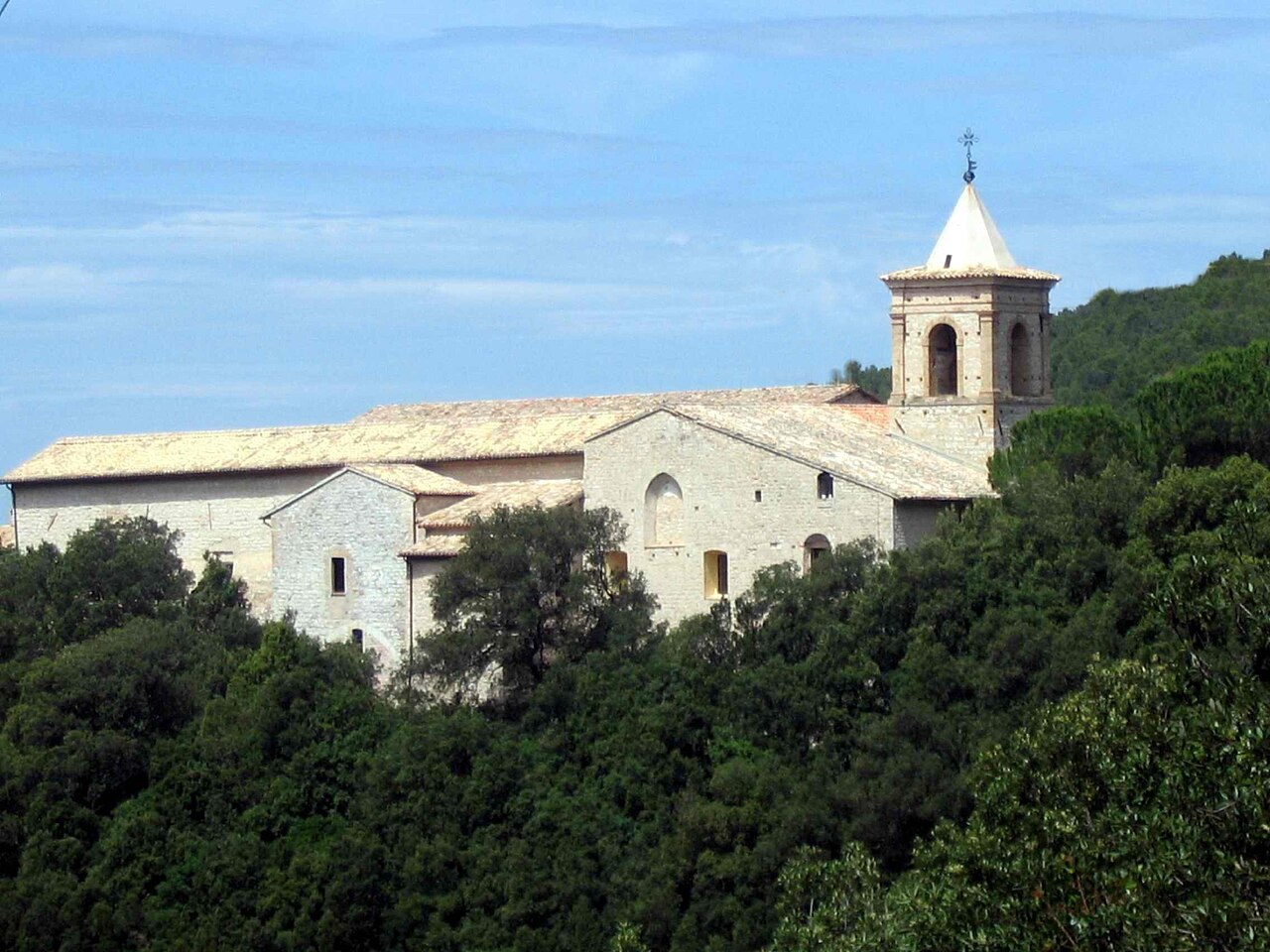
Sassovivo Abbey
From Palazzo Croce Bianca: approximately 8–10 km · By car: 20–25 min
In the hills above Foligno, the abbey offers a peaceful combination of history and woodland. Its thirteenth-century Romanesque cloister, with paired slender columns, is the centrepiece and one of the area’s most evocative spaces.
Drive there for a quiet half-day visit. Check which areas are open beforehand and respect the life of the religious community.
Belfiore, Pale and the Menotre waterfalls
From Palazzo Croce Bianca: approximately 8–12 km to the access points · By car: 15–25 min, followed by a walk
The Menotre valley complements a town visit with waterfalls, greenery and reminders of old paper mills. The route between Belfiore and Pale reveals cascades and the Altolina landscape.
Wear suitable footwear and check weather and path conditions. The trail has uneven sections and should not be treated as an accessible urban walk. Visits to the Grotte dell’Abbadessa and the Hermitage of Santa Maria Giacobbe require separate checks.
Events in Foligno throughout the year
The seasons below are the usual periods, not a calendar of confirmed future dates. Check programmes, venues and availability on the organisers’ websites.
| Event | Usual period | What to expect |
|---|---|---|
| Giostra della Quintana | June and September | La Sfida and La Rivincita, costumed processions, district celebrations and taverns according to the programme. The competitions take place at Campo de li Giochi, separate from the procession venues. |
| I Primi d’Italia | Usually September | A festival celebrating Italian first courses, with tastings, talks and activities across the historic centre. |
| Segni Barocchi | Late August to September | Music, performances and cultural projects inspired by the Baroque, in venues around town. |
| Festa di Scienza e Filosofia | Spring, usually April | Talks, discussions and workshops exploring science, ideas and society. |
| Feast of St Felician | 24 January | Patron saint celebrations and a traditional procession; traffic arrangements may change. |
| Exhibitions, concerts and Christmas events | Throughout the year and at Christmas | Events at museums, Auditorium San Domenico and other venues, according to the municipal calendar. |
Event venues may be spread between the centre and other areas: plan your route to the actual location. For places elsewhere in the area, such as Rasiglia, see Foligno and the surrounding area.
A day in Foligno from Palazzo Croce Bianca
- Morning: head to Piazza della Repubblica and visit Palazzo Trinci. Book lovers can add the Printing Museum, after checking opening times.
- A break in town: pause and stroll along Corso Cavour and the side streets.
- Afternoon: choose Nunziatella and Santa Maria Infraportas, or spend time at CIAC and Calamita Cosmica.
- Evening: discover scheduled events and return to the palazzo, where Pizzeria La Gioiosa offers dining separately from accommodation.
To enjoy several museums at a relaxed pace, allow two days: one for the centre and another for contemporary art or an outing to Sassovivo and the Menotre valley.
Planning your stay
Check opening times before setting off and book visits where required. Churches may close during services and celebrations; access to private palazzi depends on scheduled events. If driving, check restricted traffic zones and parking rather than directing your navigation app into restricted areas.
Sources: Municipality of Foligno, Umbria Tourism, the Diocese of Foligno and event organisers. Information checked in October 2026. Distances and times are approximate; check current routes using the links in each section.
Where to stay and eat while visiting Foligno
To spend more time in town, discover Camere Croce Bianca’s rooms in central Foligno. For a meal, Pizzeria La Gioiosa serves pizzas and burgers in the same building, welcoming both overnight guests and other visitors.
Questions about visiting Foligno
What should I see on a first visit to Foligno?
Start with Palazzo Trinci and the central squares, then choose among the Printing Museum, historic churches and contemporary art venues. Check official opening times before deciding your route.
Can I explore central Foligno on foot?
Many sights in the historic centre can be combined on a walking route. Distances in this guide are approximate. Check the exact route and access arrangements if you have mobility requirements.
Where can I stay and eat while visiting Foligno?
Camere Croce Bianca offers six guest rooms at Palazzo Croce Bianca. Pizzeria La Gioiosa serves pizzas and burgers in the same building; meals and accommodation are booked separately.